Skip to content

Port authority

Port of Aarhus customer story: Flex Maritime Logistics at a multi-cargo port

Denmark's largest commercial port handles containers, dry bulk, liquid bulk and passengers. Its tenants, agents and stevedores are all served from one system, and every port activity is billed on maritime parameters. Today that system runs on Microsoft Dynamics 365 Finance and Operations in the cloud.

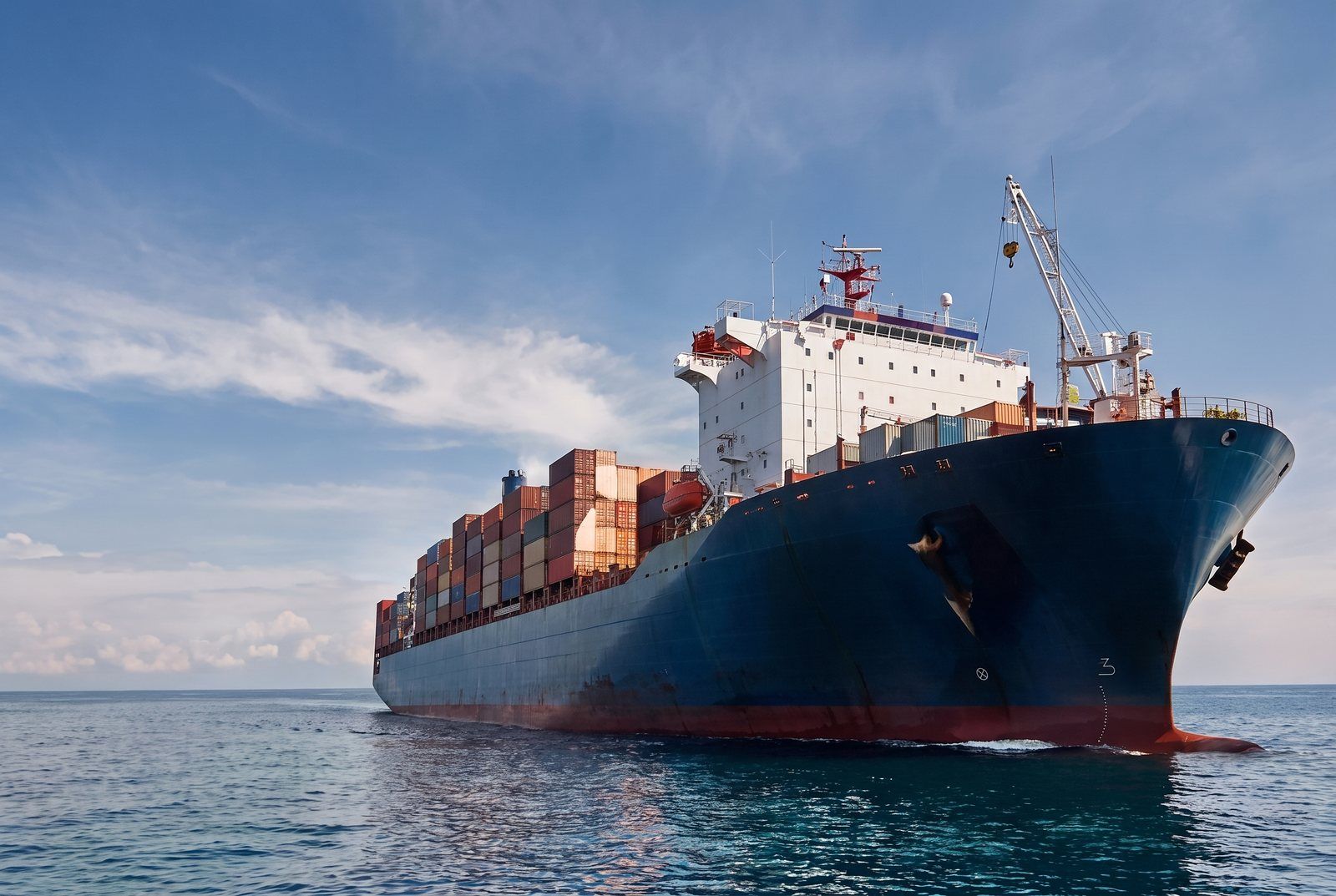
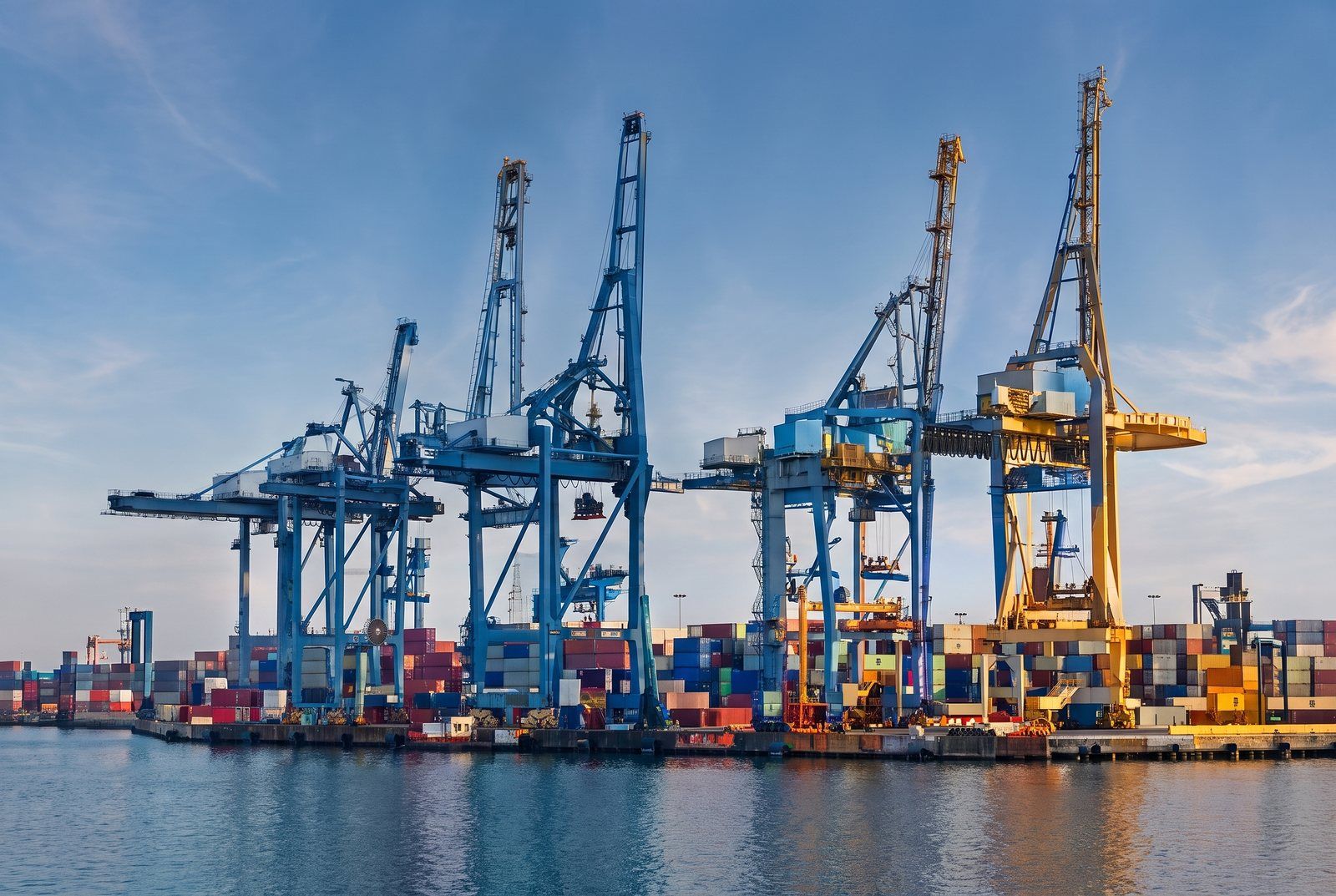
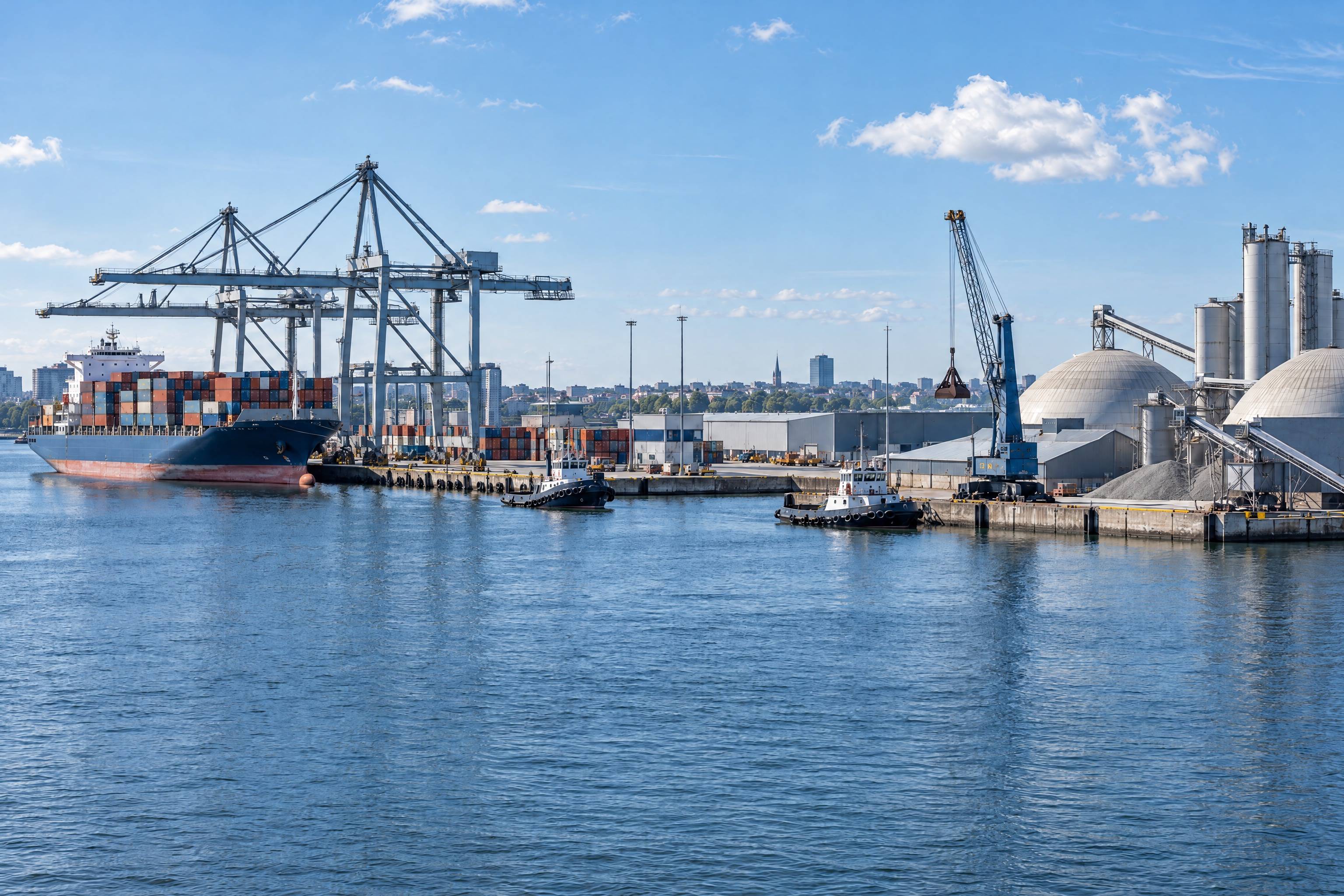
Multi-cargo port on a sunny morning: a container ship under ship-to-shore cranes, two tugboats, and a harbour crane next to dry bulk domes and silos

At a glance

Customer
Port of Aarhus
Location
Aarhus, Denmark
Cargo
Containers, dry and liquid bulk, ro-ro, passengers
Platform
Dynamics 365 Finance and Operations, cloud

Flex products in this story

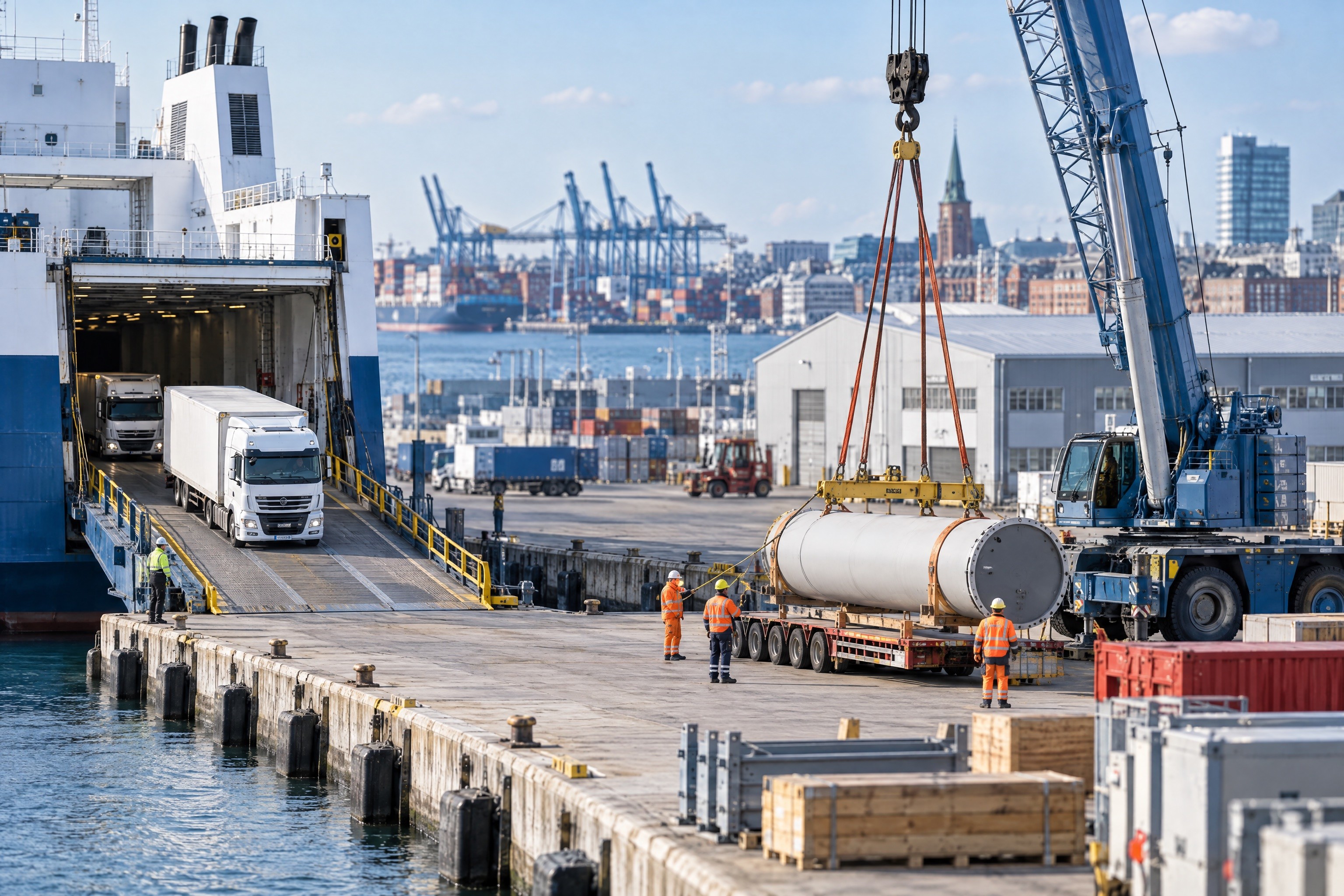
A ro-ro ferry unloading trucks at a quay while stevedores and a mobile harbour crane handle a large project cargo piece, a city waterfront behind
Denmark's largest commercial portAarhus, Denmark

The port

About the Port of Aarhus: a modern port on old ground

There was a port in Aarhus more than 1,000 years ago. The current Port of Aarhus is built on land reclaimed from the sea over the last 200 years, and as Henrik Munch Jensen, Assistant Director, puts it, it is a very new and modern port for containers, dry bulk, liquid bulk and passengers, built in the last 20 years.

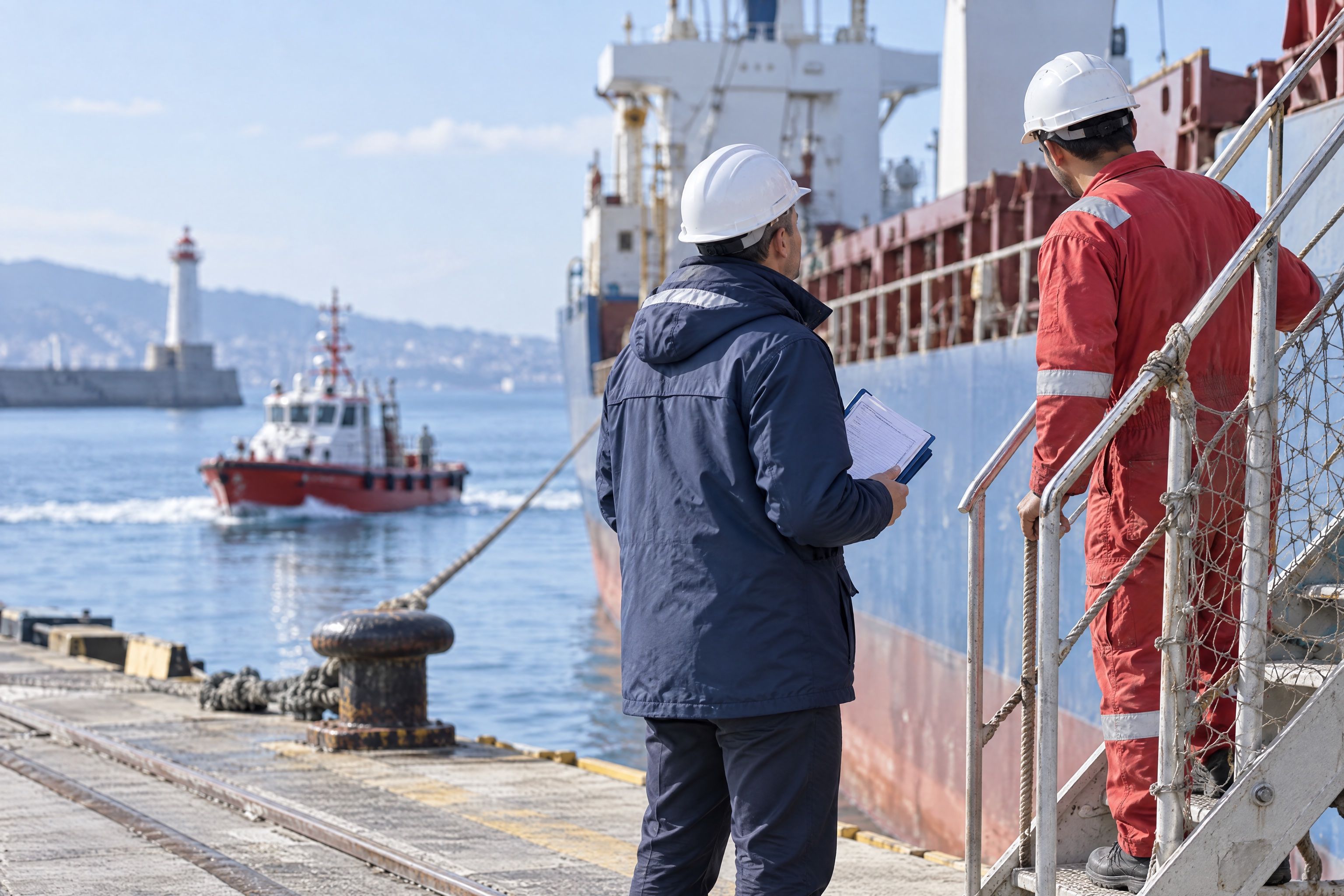
As port authority, the Port of Aarhus is responsible for the infrastructure to load and unload containers and to handle dry bulk, liquid bulk and ro-ro. It provides maritime and land-based services such as crane operators and maintenance, and the maritime services around each vessel visit: pilots and tugs to bring ships in, and boatmen to moor them at the quay.

The port owns an area of 2,800,000 m² and leases much of it, including buildings, warehouses and cold stores, to port-related companies.

Port profile

  • Multi-cargo

    Containers, dry bulk, liquid bulk, ro-ro and passengers

  • Maritime services

    Pilotage, towage and mooring around every vessel visit

  • Property

    2,800,000 m² of land, much of it leased to port-related companies

  • Gateway

    Denmark's largest commercial port

Who the port serves

Three customer types in Flex: tenants, agents and stevedores

The Port of Aarhus serves three different types of customers, and each one brings its own revenue stream. All three run through Flex Maritime Logistics, and every invoice lands in Dynamics 365 finance with an audit trail back to the operational source.

  • Tenants

    Lease of land, warehouses and offices

    Plots and buildings are recorded in property management, down to floors, rooms and leasable units. Contracts set the term, revision and expiry dates, and invoice proposals are generated from them periodically.

    Module: Property management

  • Agents

    Vessel visits and maritime services

    Agents request port calls for the ships they represent. After departure, vessel and cargo dues and the services used, such as pilotage, towage and mooring, are invoiced to the agent.

    Module: Port call management

  • Stevedores

    Cranes for loading and unloading

    Stevedores order cranes for a port call. Crane operators from the port's pool are scheduled across shifts, and invoice proposals follow per crane order, with the right rate for each shift.

    Module: Crane management

Port of Aarhus

“The main reason for our customers to come to Port of Aarhus is the location, the infrastructure and the facilities. For sure the dataflow is very important as well. This was the reason to choose Ultimate Software, it was a strategic choice.”

Henrik Munch JensenAssistant Director, Port of Aarhus

Port billing

Port billing on maritime parameters: from vessel request to ledger

How a port call runs at the Port of Aarhus, as described in our 2022 article on the port. The Watchlist is the shared overview that the port, pilots, tugs and boatmen plan from.

  1. 01

    Request

    The agent requests a vessel visit

    The port agent enters the request on an agency portal and shares the information and documents digitally. Each vessel is validated against an external vessel database.

    • Agency portal
    • Vessel database
  2. 02

    Watchlist

    The port call is accepted and planned

    The request appears on the Watchlist. Once accepted, the port and the agent manage the call together, with the expected time of arrival as the basis for planning.

    • Watchlist
    • ETA
  3. 03

    Services

    Pilots, tugs, boatmen and cranes

    Pilotage, towage and mooring are coordinated on the Watchlist. Crane orders are linked to the port call, so they move with the vessel planning.

    • Pilotage
    • Towage
    • Mooring
    • Crane orders
  4. 04

    Actuals

    Recorded at the source

    Actuals are reported through mobile apps. Cargo is recorded through third-party integrations or by hand, as the basis for cargo dues and statistics.

    • Mobile apps
    • Cargo transshipment
  5. 05

    Invoice

    Billed and posted in Dynamics 365

    After departure, dues and services become an invoice proposal using maritime calculation methods, then an invoice posted to accounts receivable and the general ledger.

    • Vessel and cargo dues
    • General ledger

Other ports run the same flow for port dues, crane hire and leases. See how our port management software works for port authorities.

Port management software for port authorities

In their own words

They know what we are talking about

They know what we are talking about.

Henrik Munch JensenAssistant Director, Port of Aarhus

“Yes, we are a happy customer, it is rather complicated, we are pleased that the people of Ultimate Software know what we are doing, both on the technology side and as a port operator.”

Years of port history in Aarhus
1,000+
Port area, much of it leased
2.8M m²
Live on Dynamics 365 in the cloud
2024
Port of Aarhus

“Many companies just do what a client asks. At Ultimate Software, they first make sure whether this is what we really need.”

Henrik Munch JensenAssistant Director, Port of Aarhus

The expansion project

The analysis phase: fitting the port to the latest Flex

In June 2023 we started an analysis phase with the Port of Aarhus. Together we looked at how the port's processes fit the latest version of Flex Maritime Logistics for Dynamics 365 Finance and Operations, and how it could bring the port's operations even further under control.

All of the port's business areas are supported in Flex. New developments and the optimisation of existing processes were given their place in the project, with one goal: a modern maritime system with which the port can meet the challenges of the future, follow developments closely and support its maritime processes.

At the time, the port had announced a considerable expansion: 84 hectares to be added to the port area in phases, green measures for the climate and the maritime environment, and an intermodal inland terminal (dry port) for container transit.

Henrik Munch Jensen also describes the port's recent IT developments as a cooperation with Ultimate and Netcompany.

A long partnership

  1. June 2023

    Analysis phase starts

    Processes are mapped against the latest Flex for Dynamics 365 Finance and Operations.

  2. October 2023

    AX 2012 support ends

    Microsoft stops supporting AX 2012, as Lars-Michael Andreasen notes.

  3. April 2024

    Live in the cloud

    Major release update: the port runs Flex on Dynamics 365 Finance and Operations in the cloud.

Release update

From AX 2012 to the cloud, smoothly and on schedule

For many years the port ran Flex on Microsoft Dynamics AX 2012. As Lars-Michael Andreasen explains, when Microsoft ended support for AX 2012 in October 2023, Finance and Customer Service would no longer receive security updates, so the port had to move.

In April 2024 the Port of Aarhus completed a major release update of its ERP system. It now runs Flex Maritime Logistics on Microsoft Dynamics 365 Finance and Operations in the cloud, in line with current security standards for protecting sensitive data against cyber threats.

On the new version, vessel visits, cargo transshipment, crane scheduling, pilotage, towage and mooring are planned from the Watchlist and billed on maritime parameters. Lars-Michael Andreasen credits the smooth progress to Ultimate's knowledge of the process, onsite and remotely, and to a clear overview: development areas outside the first scope were deprioritised.

Quotes are printed as published. Some predate our current names: Ultimate Software is now Ultimate Maritime Logistics, and FlexPort and FlexShip are now part of Flex Maritime Logistics.

The transition from the old system to the cloud went smoothly and on schedule.

Lars-Michael AndreasenHead of Customer Coordination Centre, Port of Aarhus

They have a good understanding of the business and can translate technical terms into “customer language”.

Lars-Michael AndreasenHead of Customer Coordination Centre, Port of Aarhus

More customer stories

Questions

Port of Aarhus: questions and answers

01

What does the Port of Aarhus run in Flex Maritime Logistics?

Property management for leasing land, warehouses and offices, port call management for vessel visits and maritime services, and crane management for planning and invoicing crane orders. Revenue from all three flows into invoices, accounts receivable and the general ledger in Dynamics 365 Finance and Operations.

02

How does the port bill on maritime parameters?

Vessel visits, cargo transshipment, crane scheduling and maritime services such as pilotage, towage and mooring are registered in Flex. After a vessel departs, dues and services are calculated with methods common in maritime logistics and turned into an invoice to the agent.

03

Why did the Port of Aarhus move from AX 2012 to Dynamics 365?

Microsoft ended support for AX 2012 in October 2023, so Finance and Customer Service would no longer receive security updates. In April 2024 the port completed the move to Flex on Dynamics 365 Finance and Operations in the cloud, which Lars-Michael Andreasen describes as smooth and on schedule.

04

How long has the Port of Aarhus worked with Ultimate?

The port is one of our longest-standing customers.

05

Who are the port's customers in Flex?

Three types: tenants who lease land, warehouses or offices; agents whose ships call at the port and use maritime services; and stevedores who use the port's cranes to load and unload cargo.

Question not listed? Contact us

Bring one process.

A claim, an invoice flow or a port call you handle every week. We show how it runs in Flex and where it costs you time today.